The best time to do something is not always when we want the outcome. It is when the conditions make the work possible. A realization we discovered but did not really understand that at first. This post elaborates on our previous post here.
We were thinking about summer and what we wanted. Plans included a garden that would be producing vegetables. The smoker would be running. We would have fish and meat preserved for later in the year to cut down on cooking. It was an appealing picture: spending the warmer months enjoying the things we had grown, caught, and prepared ourselves.
Then we started thinking through what that actually required. That was when we realized something obvious that we had somehow missed.Some of the things we wanted most in summer needed to happen long before summer arrived.
We Realized We Needed To Work Backwards
Smoking meat in the middle of summer sounded great until we remembered that a smoker creates heat. Standing outside next to a smoker on a hot summer day, adding more heat to the house and the surrounding area, was not exactly the experience we were imagining.
The result belonged in summer but the work did not.
The same thing happened with the garden. If we wanted fresh vegetables in the summer, summer was not when the garden started. The planning happened during the colder months. Seeds needed to be selected. Beds needed to be prepared. Structures needed to be repaired. Decisions needed to be made before the first warm days arrived.
The summer garden was the visible result of work that happened when the conditions were better suited for preparation.That was the moment we started seeing a pattern.
Maybe we had been looking at activities backward? The the question was not simply, “What do we want to do?” Maybe the better question was, “What conditions need to exist for this thing to happen well?”
We Started Paying Attention
The more we paid attention, the more we saw this idea everywhere. The world around us is constantly changing.
- Weather changes.
- The amount of daylight changes.
- Temperature changes.
We also realized during the year that
- Our energy levels changes.
- Daily responsibilities change.
- Short and long term goals change.
Those changes are not necessarily problems to solve. They are information.
For a long time, we treated conditions as something to work around. If we wanted something badly enough, we assumed we should be able to make it happen regardless of what was going on around us. Sometimes that is true. There are certainly times when persistence matters. But there are also times when we make things unnecessarily difficult because we are ignoring the conditions that surround us.

The Work May Not Be Wrong, The Timing May Be.
We already understand this in many areas of life. Farmers do not plant because they are impatient to see the harvest. They plant when the conditions give the plants the best chance to grow. Athletes do not train the same way every day of the year. Their goals require different phases of preparation.
Consider an Olympic skier does not approach July the same way they approach competition season. The goal remains the same, but the work changes. There is a time for building strength, a time for refining technique, a time for competition, and a time for recovery.
Their short term goals change over the year due to seasonal changes. They are paying attention to them and being optimized for their fall and winter peak. They understand that progress depends not only on effort, but on applying the effort at the right time.
Fish Have Seasons Too…
Fishing was another place where this idea became clear. Technically, yes, we can fish all year. But not every fishing trip serves the same purpose.
A cold spring Chinook trip can produce an incredible fish for meals. There is nothing wrong with that. But it may not be the trip we are most excited about. It can be one of the worst trips weather wise which is completely ruins the joy of fishing for fishing’s sake. There are times when the weather is right, the days are longer, and being on the water simply feels like where we want to be.
There are also trips with a different purpose.
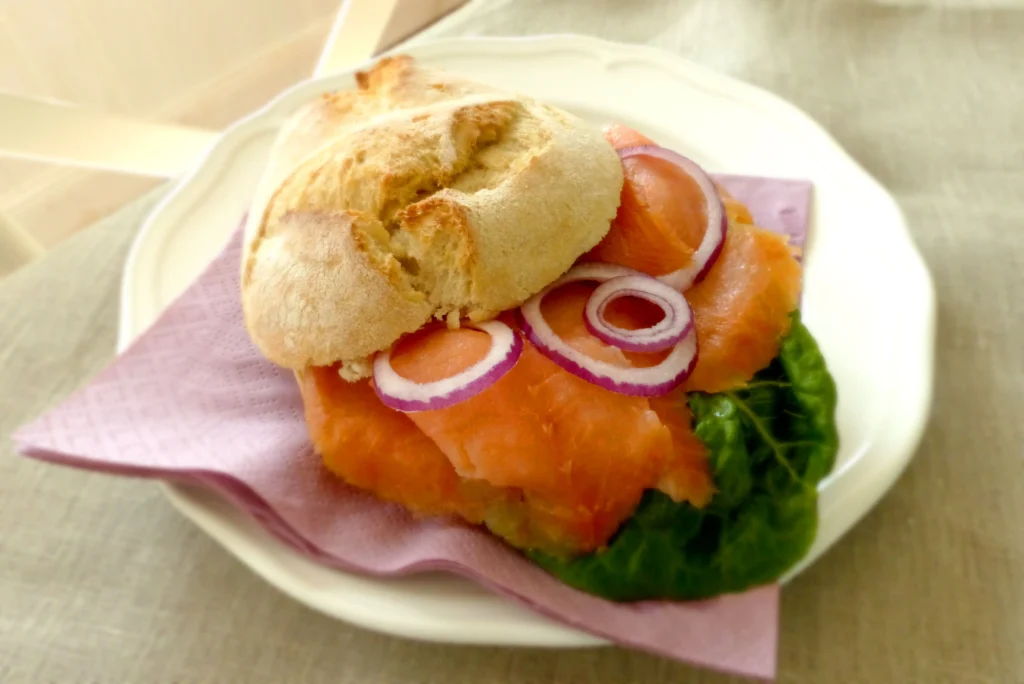
If we want smoked trout in the freezer during the winter months, that requires planning. It means recognizing when those opportunities are available and making the effort when the conditions support it. The goal is not just catching a fish that day. The goal is creating something we will appreciate later.
Once again, the outcome and the work do not always happen in the same season.
The same lesson existed in the garden.
It is easy to think of gardening as a summer activity because summer is when we see the results. The vegetables are growing, ripening, and producing. You dream of fresh tastes of beans and tomatoes, maybe some carrots. Bees and flowers make the garden feel alive.
But the garden really begins much earlier.
It begins when we are sitting inside during the colder months deciding what to plant. It begins when we are preparing structures, organizing materials, and thinking through what the next growing season requires. By the time summer arrives, much of the important work has already happened.
The garden is not created in the moment we enjoy it. It is created through respecting the conditions that make each stage possible.
We found the same pattern with creative projects.
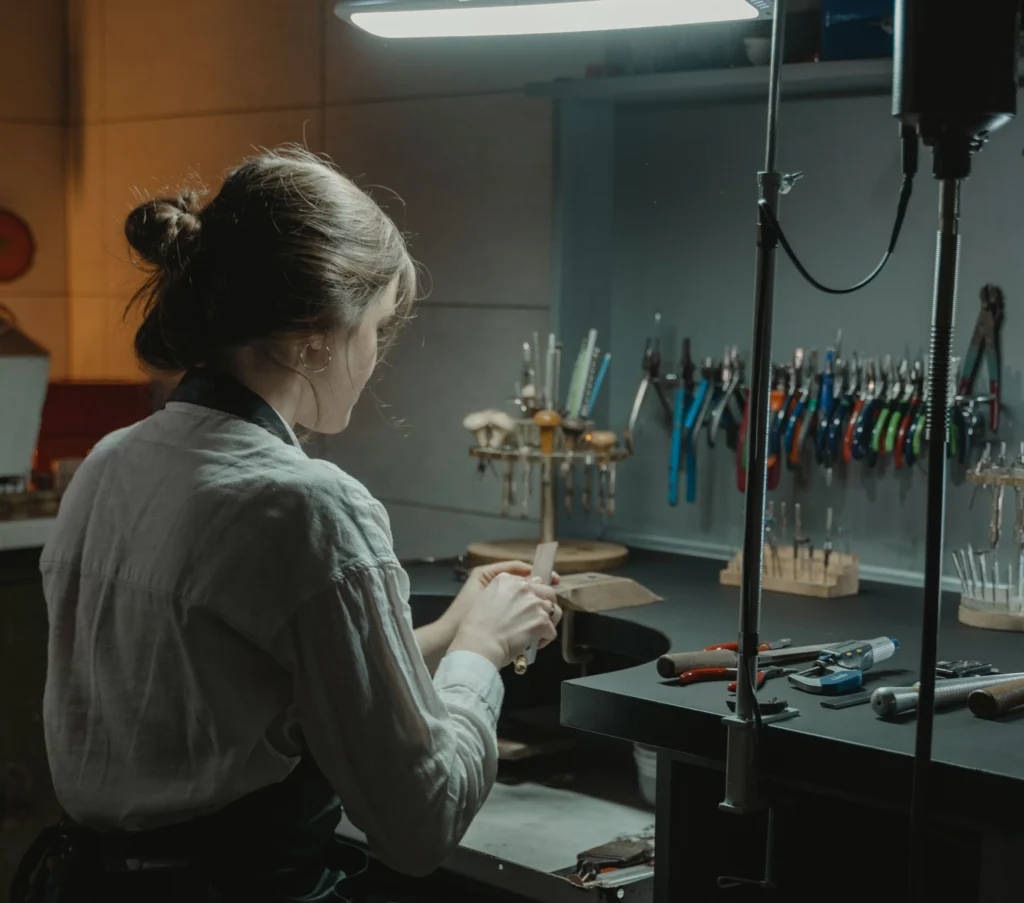
One of the things we enjoy is collecting stones and turning them into jewelry. At first, it seems like one activity. But it is really a series of activities that each fit different conditions. Finding interesting stones is best done when being outside is enjoyable. Warmer weather makes it easier to explore, collect materials, and rinse rocks outside.
Then the conditions change in a similar pattern.
- Days become shorter.
- Evenings become longer.
- Outdoor adventures slow down.
That creates the perfect environment for sitting at the workbench, cutting stones, assembling pieces, and finishing projects. The creative process did not stop. It changed forms. The conditions changed, so the work changed with them.
The more examples we found, the more we realized this was not really about hobbies. The hobbies were just where we happened to notice it first. Every pursuit has conditions where it thrives.
- A skier has them.
- A gardener has them.
- A builder has them.
- An artist has them.
A parent, a business owner, or someone learning a new skill has them. The conditions are different because the goals are different. The mistake is assuming that every day, every month, and every season should offer the same opportunities.
They do not.
Wrapping Up
We have spent a lot of time believing that progress comes from pushing harder. Sometimes it does. But sometimes progress comes from recognizing when pushing harder is simply creating more resistance.
Working with conditions does not mean choosing the easy path.
- The gardener still prepares.
- The skier still trains.
- The fisherman still gets up early.
- The craftsman still puts in the hours.
The difference is that they are not spending all of their energy fighting what is already there. They understand the environment they are working within and adjust accordingly. Maybe there is something valuable in that.
Our take away was, if we wanted to optimize our outcomes:
- Not to build a life where every season looks the same because they aren’t.
- Don’t force every activity into every part of the year if it doesn’t support it.
- Recognize what each season, each place, and each stage of life makes possible.
The conditions are already there. The question is whether we are paying enough attention to work with them.
 Pete