If you stay consistent with your eating at home but feel off track when you travel, it is usually not random. Travel removes the routines that guide when, what, and how much we eat. One theme shows up in almost every travel diet challenge: loss of consistency.
Schedules change. Activity changes. Food options change. Even the role of meals can change depending on where you are.
This series comes from our own experience trying to maintain a calorie budget while traveling. We are not chasing perfection. We are trying to understand why habits that work at home become harder on the road. Over the next several articles, we will look at common travel situations and how to think about them. A key idea is that a small amount of planning can make a big difference.
Travel will always be unpredictable. But it is often easier to set a rough plan for food, activity, and timing than to make every decision in the moment. Before we get into strategies, it helps to understand the core problem.
Travel does not just change where we eat. It breaks the routines that make it easier to make eating decisions.
Why Travel Disrupts Eating Habits
Most people are creatures of habit. We go to bed at similar times, wake up on a schedule, and eat meals at set times. Our days often follow a pattern. Life can be busy, but it is usually predictable.
Travel is not predictable.
Before you even arrive, you are on someone else’s schedule. Flights leave at fixed times, and sometimes they are delayed or canceled. Traffic can change plans. Delays happen. Meetings move. Tours start when they start. Food is available only at certain times. This removes the structure that normally supports eating habits.
Travel also adds new choices. Trying local food is part of the experience. Whether for work or vacation, there is often a desire to try new meals and restaurants. Work travel adds more layers. Business dinners, client lunches, hotel breakfasts, and events all shape when and what you eat.
Food is also less consistent. In some places, options are limited. Sometimes airport food is the only choice. Other times, you eat what is available between plans.
Even when food is available, it may not be familiar. Portion sizes also vary. A normal meal in one place may be much larger or smaller than what you expect. Some meals are shared. Some are served in courses. Meals can also serve different roles. In some places, dinner is a large main meal. In others, food is shared on small plates over time.
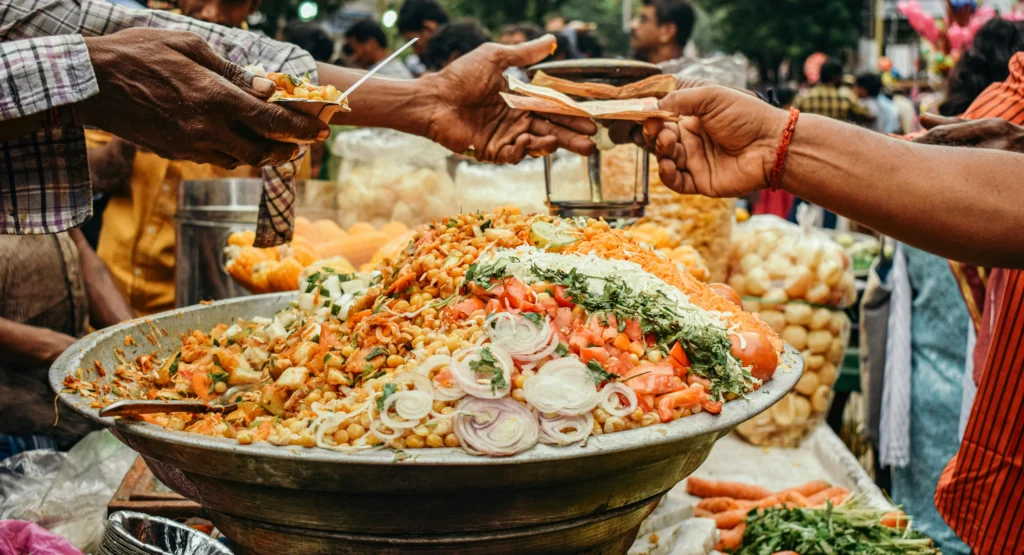
Your body does not separate cultural and social eating from calorie needs. It still counts intake in the same way.
Why This Matters
These changes are neither good nor bad. They are just part of travel.
Most nutrition goals depend on consistency. At home, we know when we will eat. We know our activity level. We know our food options. Travel removes that stability. This is where a calorie budget becomes useful.
A calorie budget is not about restriction. It is a simple way to think about tradeoffs during a trip. If you plan a large dinner, you may adjust earlier meals. If you walk more in a day, that changes things, too.
The goal is not a perfect plan. Travel rarely allows that. The goal is to avoid reacting to every situation in the moment. A small amount of awareness makes travel easier to manage.

Wrapping Up
Understanding why travel disrupts eating habits is the first step. Next, we will look at how to use a calorie budget when your schedule and food choices are always changing.
 Pete
Pete